This sub-section focuses on the core functions and responsibilities of being an IMO for the Food Security Cluster. Understanding the core tasks will enable you to better manage and adapt to the evolving situation and challenges at hand.
What is the role of an IMO? At its heart the IMO is responsible for the generation, analysis, and dissemination of information, necessary to inform the coordination of the cluster. Please see overview graphic below and for more details on each step click here.
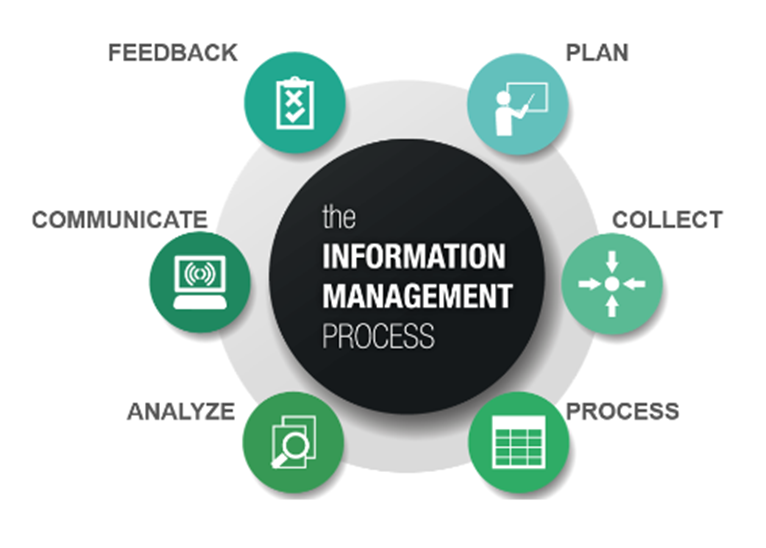 Figure 2. Overview Information Management (IM Toolbox, OCHA 2022)
The FSC IMO TOR provides details on the role and expected deliverables in relation to the above IM cycle within the FSC.
It is also important to familiarise yourself with the core humanitarian principles of IM:
Accessibility
Humanitarian information should be made accessible by applying easy-to-use formats and tools and by translating information into common or local languages when necessary.
Inclusiveness
Information exchange should be based on a system of partnership with a high degree of ownership by multiple stakeholders, especially representatives of the affected population and Government.
Inter-operability
All shareable data and information should be made available in formats that can be easily retrieved, shared and used by humanitarian organizations.
Accountability
Users must be able to evaluate the reliability and credibility of information by knowing its source and having access to methods of collection, transformation, and analysis.
Verifiability
Information should be relevant, accurate, consistent and based on sound methodologies, validated by external sources, and analyzed within the proper contextual framework.
Relevance
Information should be practical, flexible, responsive, and driven by operational needs in support of decision-making throughout all phases of a crisis.
Objectivity
A variety of sources should be used when collecting and analyzing information so as to provide varied and balanced perspectives for addressing problems and recommending solutions.
Neutral
Information should be free of political interference that distorts a situation or the response.
Humanity
Information should never be used to distort, to mislead or to cause harm to affected or at-risk populations and should respect the dignity of those affected.
Timeliness
Humanitarian information must be kept current and made available in a timely manner.
Sustainability
Humanitarian information should be open sourced, preserved, cataloged and archived, so that it can be retrieved for future use, such as for preparedness, analysis, lessons learned and evaluation.
Confidentiality
Sensitive data and information that are not to be shared publicly should be managed accordingly and clearly marked as such.
(OCHA, 2022)